
How to prepare a car for a protective coating
Any protective coating — from classic carnauba wax to premium ceramics — works at 100% only on a perfectly prepared surface. If microscopic dirt, grease, or residues of old products remain on the bodywork, the new coating simply won't be able to bond securely with the clear coat. This will significantly reduce its service life and hydrophobic properties.
In this article, we will detail the stages of preparing a car for the application of protective compounds so that you get maximum shine and long-lasting results.
Main stages of body preparation
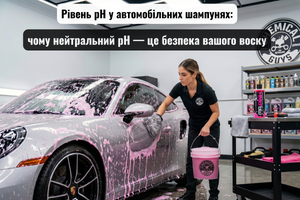
- Thorough two-phase wash Begin with a touchless wash to remove the main dirt using active foam. After that, move on to a hand wash using the two-bucket method (one with shampoo, the other with clean water to rinse the mitt). This minimizes the risk of new scratches on the bodywork.
- Chemical and mechanical decontamination Even after a perfect wash, iron particles, tar, and bug residues remain embedded in the clear coat. First, use dedicated iron removers and Bug plus tar remover heavy duty car wash shampoo to wash away stubborn contaminants. Next, the surface needs to be treated with a synthetic clay (for example, Medium Duty Clay Bar or Light Duty Clay Bar) with a lubricant to pull out the dirt from the clear coat pores that chemicals cannot remove. After claying, the surface should be as smooth as glass.
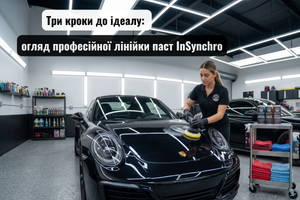
- Paint correction Before applying long-term protection (especially ceramics), paint correction is mandatory. This process eliminates swirl marks, minor scratches, and holograms, restoring the perfect clarity of the clear coat. The one-step polishing compound VSS Scratch & Swirl Remover is perfect for this. It makes no sense to apply protection over a damaged clear coat — the coating will only highlight all the defects.
- Final surface degreasing After polishing, polishing compound oils remain on the bodywork. Use the degreaser Wipe Out Surface Cleaner Chemical Guys to leave the surface absolutely clean and ready for molecular bonding with the protective compound.
- Application and proper polymerization Apply the chosen compound (for example, premium Butter Wet Wax or a ceramic coating) strictly according to the instructions using an applicator, observing the temperature regime. It is important to remember the final curing stage: for example, after applying innovative compounds like HydroSlick, the car needs to stand in the garage (studio) for 24 hours for full polymerization of the product. Only this way will the coating gain maximum strength and hydrophobicity.
FAQ: frequently asked questions
Can the claying stage be skipped if the car is brand new from the dealership?
No. Even new cars collect iron dust and industrial fallout during transportation (especially by rail). Decontamination is mandatory for any car.
Is paint correction mandatory before waxing?
For paste and spray waxes, correction is not strictly mandatory, but it will significantly improve the final gloss. However, before applying a ceramic coating, this step cannot be skipped.
How long does full car preparation take?
Depending on the car's condition, the process of washing, cleaning, and polishing can take from one to several days of work in a detailing studio.