
Every car owner dreams of a flawless look for their vehicle: a deep shine on the paintwork, protection from the elements, and resistance to minor damage. The modern auto detailing market offers numerous solutions, and sealants are among the most effective. But what are they, how do they work, and how do they differ from traditional waxes? Let's find out with the experts at Chemical Guys.
What is a Sealant?
A sealant is a synthetic polymer product designed to create a durable protective layer on the surface of a car's paintwork (clear coat). Unlike natural waxes (like carnauba), sealants are composed of carefully engineered chemical compounds that provide exceptional durability and protective properties.
How Do Sealants Work?
 The main principle behind a sealant is creating a strong molecular bond with the paint surface. The polymers in the sealant cross-link with each other and bond to the clear coat, forming a thin but extremely strong transparent layer. This layer performs several key functions:
- Protection: It shields the paint from harmful ultraviolet (UV) radiation (which causes fading), acid rain, bird droppings, salt, road grime, and other harsh environmental factors.
- Hydrophobicity: It creates a slick surface that repels water and dirt. This not only looks impressive during rain (the "water beading" effect) but also makes washing the car significantly easier.
- Shine: While sealants are known for their "glassy," mirror-like shine, many modern formulas, like those from Chemical Guys, provide a deep and rich appearance to the paintwork.
Benefits of Using Sealants:
- Durability: This is the main advantage of sealants. Depending on the product and driving conditions, the protective layer can last from 4-6 months up to a year or even longer. This significantly surpasses the lifespan of most natural waxes.
- Resistance: Their synthetic nature makes them more resistant to high temperatures and chemical exposure compared to waxes.
- UV Protection: Effectively blocks harmful ultraviolet rays.
- Ease of Maintenance: The slick surface stays cleaner for longer and is easier to wash.
- Bright Shine: Gives the paintwork a sharp, reflective gloss.
Chemical Guys Sealants: Technology Guarding Your Car
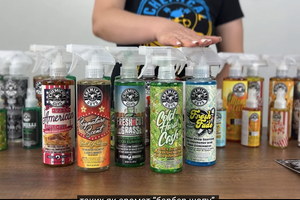
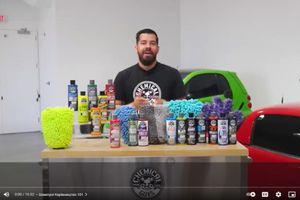
 The Chemical Guys brand offers a wide range of sealants designed for various needs and surface types:
- JetSeal Durable Sealant and Paint Protectant: A flagship product providing long-lasting (up to 12 months) protection and incredible shine. Its formula is based on aerospace technology for maximum durability. Ideal for all types of paintwork.
- Product Link: JETSEAL DURABLE SEALANT AND PAINT PROTECTANT - 473ml
- JetSeal Matte Sealant and Paint Protectant: Specially formulated for matte and satin finishes (including wraps). It protects the unique texture of the surface without adding unwanted gloss, while providing the same durability and protection benefits as the classic JetSeal.
- Product Link: JETSEAL MATTE SEALANT AND PAINT PROTECTANT, 473ml
- Extreme Top Coat Wax and Sealant in One: A hybrid product combining the durability of a synthetic sealant with the deep, "warm" glow of natural carnauba wax. An excellent choice for those who want the best of both worlds.
- Product Link: EXTREME TOP COAT WAX AND SEALANT IN ONE - 473ml
- Activate Instant Spray Sealant and Paint Protectant: The perfect solution for quick application or topping up an existing protective layer. This spray sealant is activated by water during the wash or applied to a dry surface, providing instant shine and protection.
- Wheel Guard Max Coat / Wheel Guard and Rim Wax: Wheels endure extreme conditions: high heat, brake dust, road grime. These specialized sealants (the second being a hybrid with wax) create an extremely durable barrier that protects wheels and makes them easier to clean. Heat-resistant formulas prevent brake dust from baking on.
- Product Links: WHEEL GUARD MAX COAT WHEEL AND RIM SEALANT and WHEEL GUARD AND RIM WAX

Important Note: Products like Headlight Lens Restorer and Protectant and V4 All-In-One Compound Polish may also contain protective elements (sealant or wax components), but their primary function is restoration (polishing) of headlights or paintwork. After using them, applying a dedicated sealant is recommended for maximum protection.
How to Apply a Sealant? (General Steps)
- Preparation: Thoroughly wash and dry the vehicle. For best results, decontaminate the paint using a clay bar and/or an iron remover and degreaser to remove embedded contaminants and old waxes/sealants. The surface must be perfectly clean and dry.
- Application: Apply a small amount of sealant to an applicator pad (foam or microfiber). Spread the product in a thin, even layer over one panel at a time (e.g., hood, door). Avoid using too much product.
- Curing (Bonding Time): Allow the sealant to dry and bond with the surface. Curing time depends on the specific product and environmental conditions (temperature, humidity) – always follow the manufacturer's instructions (typically 15-30 minutes). The sealant may haze slightly.
- Buffing Off: Using a clean, dry, and soft microfiber towel, buff off the sealant residue to reveal a deep shine.
Conclusion
Sealants are a modern and highly effective way to protect your car's paintwork, give it an impressive shine, and make maintenance easier. Thanks to their durability and resistance, they are an excellent investment in preserving the appearance and value of your vehicle. The range of sealants from Chemical Guys allows you to choose the perfect product for any need – from maximum protection to a quick shine boost.
FAQ: Frequently Asked Questions About Sealants
Q: What is a car sealant?
A: A sealant is a synthetic polymer protectant for car paintwork. It forms a strong, durable layer on the surface that protects against UV rays, dirt, water, and other harmful elements while providing a bright shine.
Q: How does a sealant differ from a wax?
A: The main difference lies in composition and durability. Sealants are synthetic, chemically engineered for maximum longevity (lasting months, sometimes up to a year). Waxes are often natural (e.g., carnauba wax), provide a "warm" glow, but are less durable (lasting weeks or 1-2 months). Sealants typically offer a sharper, more "glass-like" shine.
Q: What is better: wax or sealant?
A: There's no single "better" answer. The choice depends on your priorities:
- Sealant: If you need maximum protection and durability.
- Wax: If you appreciate the deep, "warm" shine of natural wax and are willing to reapply more often.
- Hybrid (Wax+Sealant): Products like Chemical Guys Extreme Top Coat combine the benefits of both. You can also layer wax over a sealant.
Q: How long does a sealant last on a car?
A: Longevity depends on the specific product, surface preparation quality, driving conditions (climate, wash frequency, environmental harshness), and maintenance. On average, quality sealants like Chemical Guys JetSeal can last from 6 to 12 months. Spray sealants are generally less durable but are ideal for quick application.
Q: Can I apply wax over a sealant?
A: Yes, this is a popular practice among car enthusiasts. The sealant provides a durable protective base, and a layer of natural wax on top can add depth to the shine and enhance the hydrophobic effect. The key is to allow the sealant to fully cure (usually 24 hours) before applying wax.
Q: Are sealants suitable for matte finishes?
A: Yes, but you need to use specialized sealants designed for matte surfaces. Regular sealants can add unwanted gloss to a matte finish. Chemical Guys offers JetSeal Matte Sealant, which protects the matte surface without altering its appearance.
Q: Does a sealant protect against scratches?
A: A sealant creates a protective layer that can help prevent very fine swirl marks from improper washing or light contact. However, it is not a cure-all for more significant scratches or chips. For stronger protection against mechanical damage, consider ceramic coatings or paint protection films (PPF).