One-Step Polishing: Who Is It For and What Results Can You Expect?
Every car owner dreams of a flawless, mirror-like shine, looking as if the vehicle just rolled out of the showroom. In professional detailing, achieving that finish often involves multi-stage (2-step or 3-step) paint correction. However, that route is time-consuming, expensive, and removes a notable layer of clear coat.
A modern alternative gaining massive popularity is one-step polishing (One-Step). What is this procedure, which vehicles is it meant for, and should you expect miracles from it? Let's break it down together with the experts at Chemical Guys Ukraine.
What is One-Step Polishing?
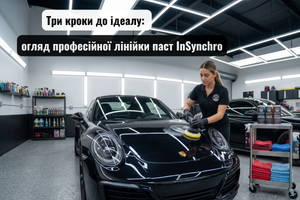
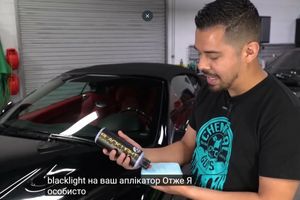
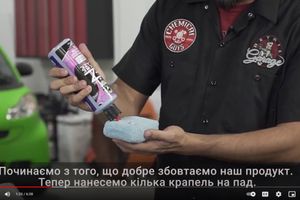
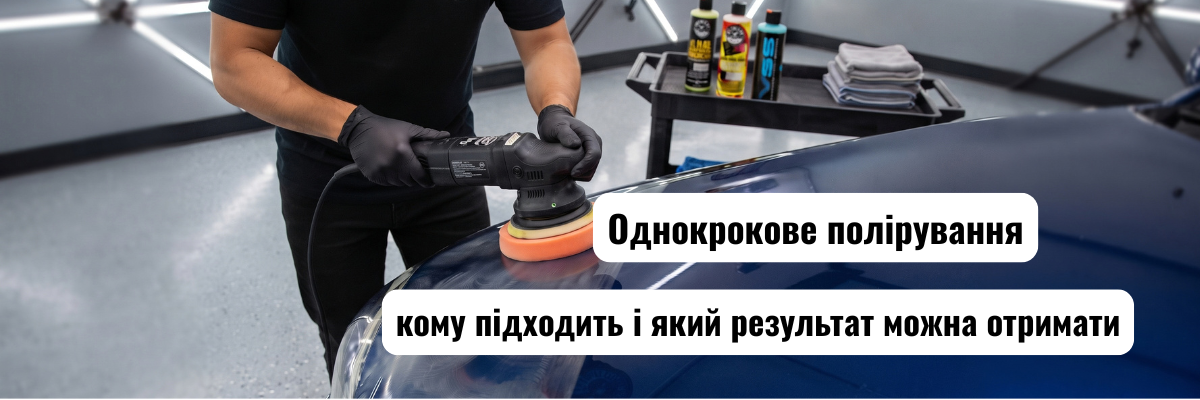
One-step polishing is the process of restoring automotive paintwork using a single versatile compound/polish and a single pad (most often a medium-density polishing pad).
Dedicated One-Step polishes feature an advanced formula: their abrasive particles initially cut through fine scratches and swirls, and as you work, they break down into a fine finishing polish that creates deep, hologram-free gloss.
Who is One-Step Polishing Best For?
This process is the ideal choice in the following situations:
- Daily Drivers: If you use your car regularly, swirl marks from automatic and hand washes are inevitable. A multi-stage paint correction every year can prematurely wear down clear coat, whereas a One-Step polish gently refreshes the look.
- Pre-Sale Preparation: Quickly, effectively, and economically restores showroom appeal to your vehicle, noticeably increasing its market value.
- Cars with Soft or Thin Clear Coat: Many Japanese and Korean vehicles have delicate paint. A one-step process minimizes the risk of burning through the clear coat.
- Detailing Beginners: If you're just starting out and want to polish your vehicle in your garage over the weekend, a one-step system is forgiving and delivers great results.
What Results Can You Expect from One-Step?
It's important to set realistic expectations: a one-step polish will not eliminate deep scratches that catch your fingernail or heavy scuffs. However, you will achieve:
- Removal of up to 70–85% of minor imperfections (holograms, micro-marring, swirl marks, snow brush scratches).
- Thorough decontamination of microscopic oxidation that causes paint to look dull.
- Restoration of factory color depth and crystal-clear reflection.
- An ultra-smooth, slick surface ready for protective waxes, sealants, or ceramic coatings.
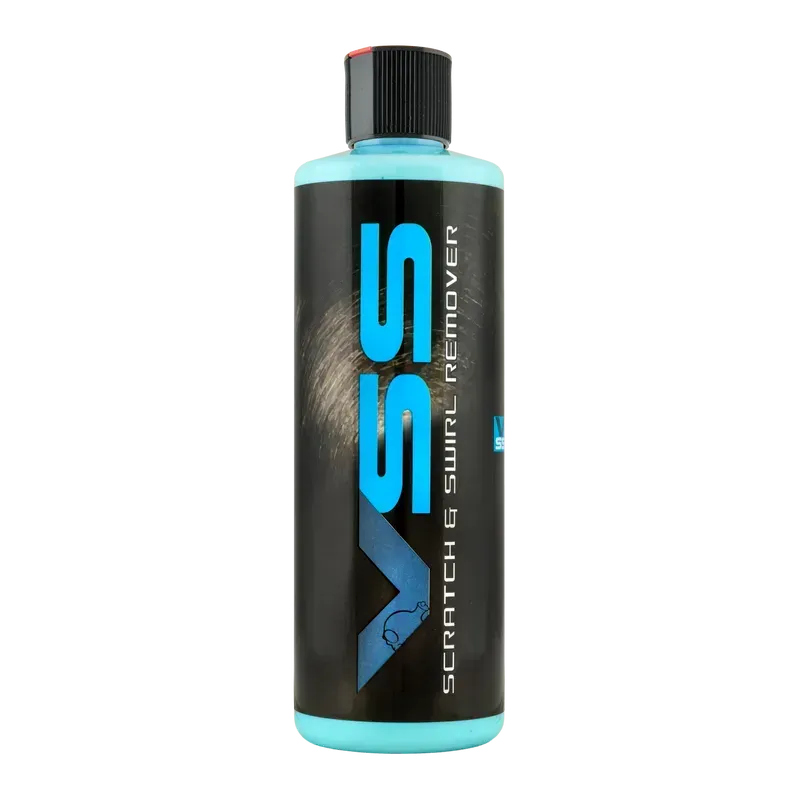
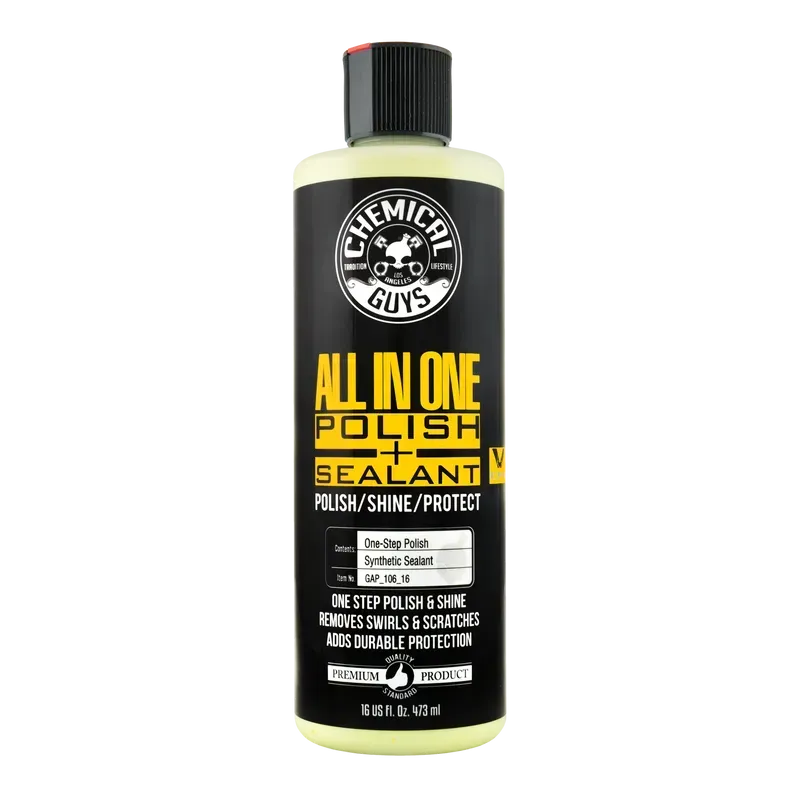
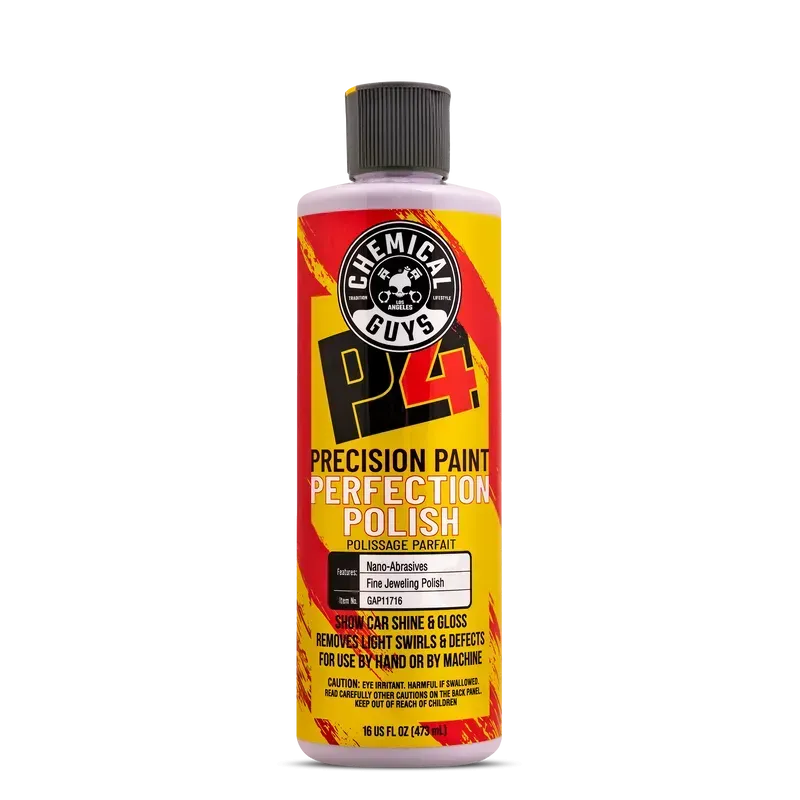
Best One-Step Solutions from Chemical Guys
To achieve guaranteed results, choosing the right formula for your paint's needs is essential: